
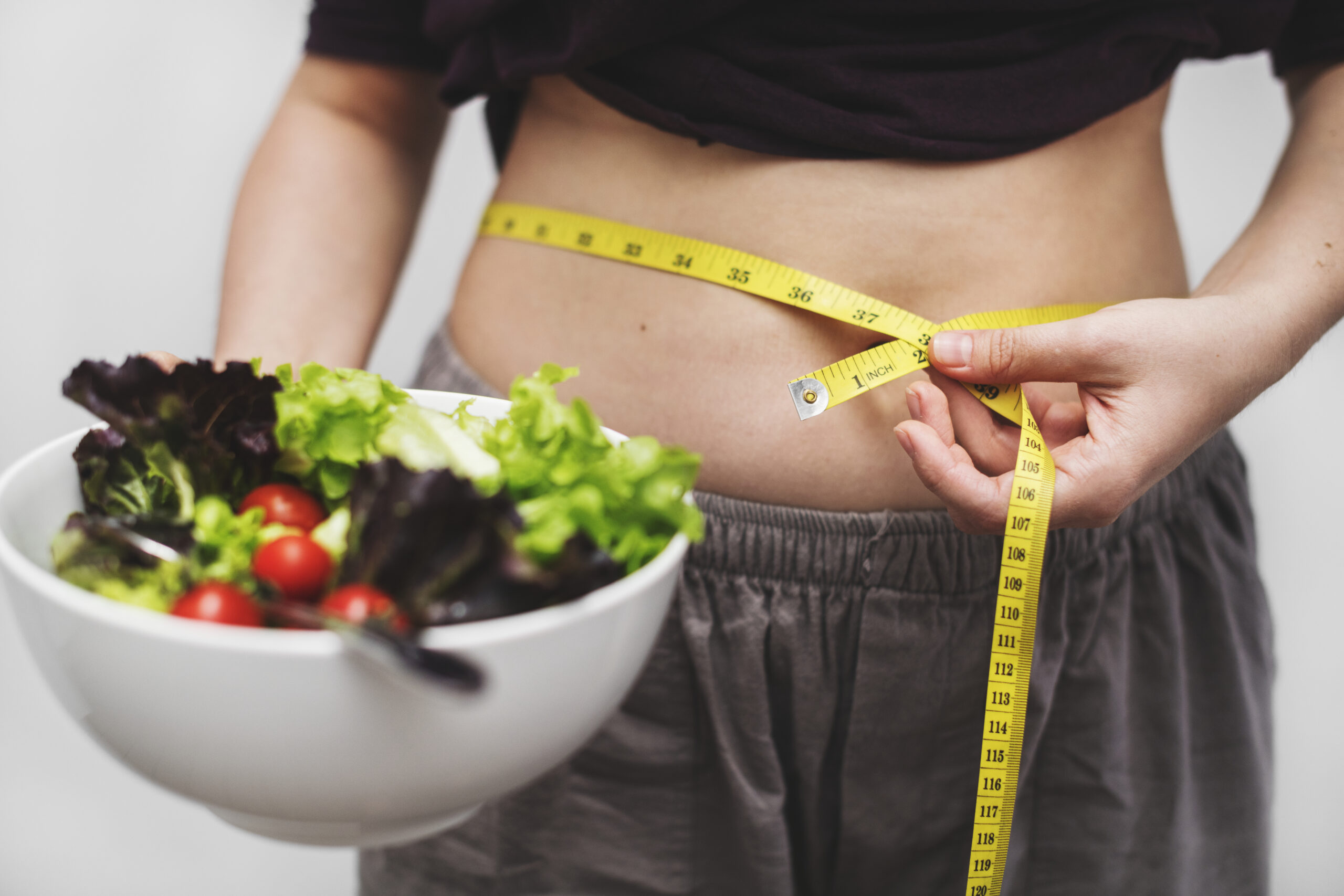
Why Metabolism Slows Down After 30 (And What You Can Do About It)
Many people notice that losing weight becomes harder after the age of 30. Even if eating habits stay the same, the body may start to gain fat more easily. This happens mainly because the metabolism naturally slows down with age.
Understanding why this happens — and what you can do about it — is the key to maintaining a healthy weight and energy levels.
What Is Metabolism?
Metabolism refers to all the chemical processes your body uses to convert food into energy. This energy powers everything you do, including breathing, digestion, muscle movement, and even thinking.
A faster metabolism burns more calories throughout the day, while a slower metabolism burns fewer calories, which can make weight gain easier.
Why Metabolism Slows Down After 30
Several biological changes begin to occur after your 30s. These changes affect how efficiently your body burns calories.
1. Loss of Muscle Mass
One of the biggest reasons metabolism slows down is loss of muscle mass.
Starting around age 30, adults can lose 3–8% of their muscle mass per decade if they are not physically active. Muscle tissue burns more calories than fat, even at rest.
This means that less muscle leads to a lower daily calorie burn.
2. Hormonal Changes
Hormones also play an important role in metabolism.
After 30, hormone levels such as testosterone, estrogen, and growth hormone gradually decline. These hormones influence how the body stores fat, builds muscle, and burns calories.
Lower hormone levels can slow metabolic activity.
3. Reduced Physical Activity
Many people become less physically active as they age due to work, family responsibilities, or lifestyle changes.
Less movement means fewer calories burned during the day, which contributes to a slower metabolism.
4. Changes in Cellular Efficiency
Research shows that the body’s cells may become less efficient at producing energy as we age. This natural aging process can reduce metabolic speed slightly over time.
Signs Your Metabolism May Be Slowing Down
Some common signs include:
- Weight gain without major diet changes
- Increased belly fat
- Feeling tired more often
- Difficulty losing weight
- Reduced muscle tone
While these changes are common, they are not inevitable. There are effective ways to support a healthy metabolism.
What You Can Do to Boost Your Metabolism
The good news is that metabolism is strongly influenced by lifestyle habits. Small changes can make a big difference.
1. Build and Maintain Muscle
Strength training is one of the most effective ways to keep metabolism active.
Exercises such as weightlifting, resistance bands, or bodyweight workouts help build muscle, which increases calorie burning even while resting.
Try strength training 2–4 times per week.
2. Eat Enough Protein
Protein helps preserve muscle mass and requires more energy to digest compared to carbohydrates or fats.
Good protein sources include:
- Eggs
- Fish
- Lean meats
- Greek yogurt
- Beans and legumes
Aim to include protein in every meal.
3. Stay Physically Active
Daily movement keeps your metabolism working efficiently.
Simple habits help, such as:
- Walking more during the day
- Taking the stairs
- Doing short workouts
- Stretching or light exercise
Even 20–30 minutes of activity daily can support metabolic health.
4. Get Quality Sleep
Poor sleep can negatively affect hormones that control hunger and metabolism.
Adults should aim for 7–9 hours of sleep per night to support healthy metabolic function.
5. Stay Hydrated
Drinking enough water helps your body process nutrients and maintain energy production.
Even mild dehydration can slow metabolic processes.
A slower metabolism after 30 is a natural part of aging, but it doesn’t mean weight gain is unavoidable.
By focusing on strength training, balanced nutrition, regular activity, good sleep, and hydration, you can keep your metabolism functioning efficiently for many years.
Small daily habits often make the biggest difference in maintaining a healthy and active body.

